
Knobs and Knockers
...why replacing original features is so important in old houses

Happy Monday!
Following on from a reel I posted last week that featured a selection of before and afters of our house, I thought I’d share a (rather lengthy post) going into greater detail of the restoration. It’s not so much the structural side of things, but more the ‘knobs and knockers’, the historical features, many of which had been ripped out in the 60’s and our efforts to source and put back so many that had been lost. If I’m honest, it’s mostly Mr T who was responsible for this. He wouldn’t mind me saying and would absolutely agree that he is fanatical about detail, borderline obsessive when in comes to historical features of a house, and getting them ‘right.’ This article is a testament to that. Grab yourself a cuppa and enjoy!
Buying an old house is like taking in an eccentric dowager aunt. You’ll often be captivated by her quaint olde worlde charm, and frequently infuriated by her inexplicable eccentricities… Our house was built around 1428, which means it’s seen a lot and had a lot of folks through its doors, from wealthy Plantagenet yeoman, through humble tenant farmers and agricultural labourers, all the way through to us, who took on the old pile in 2016.
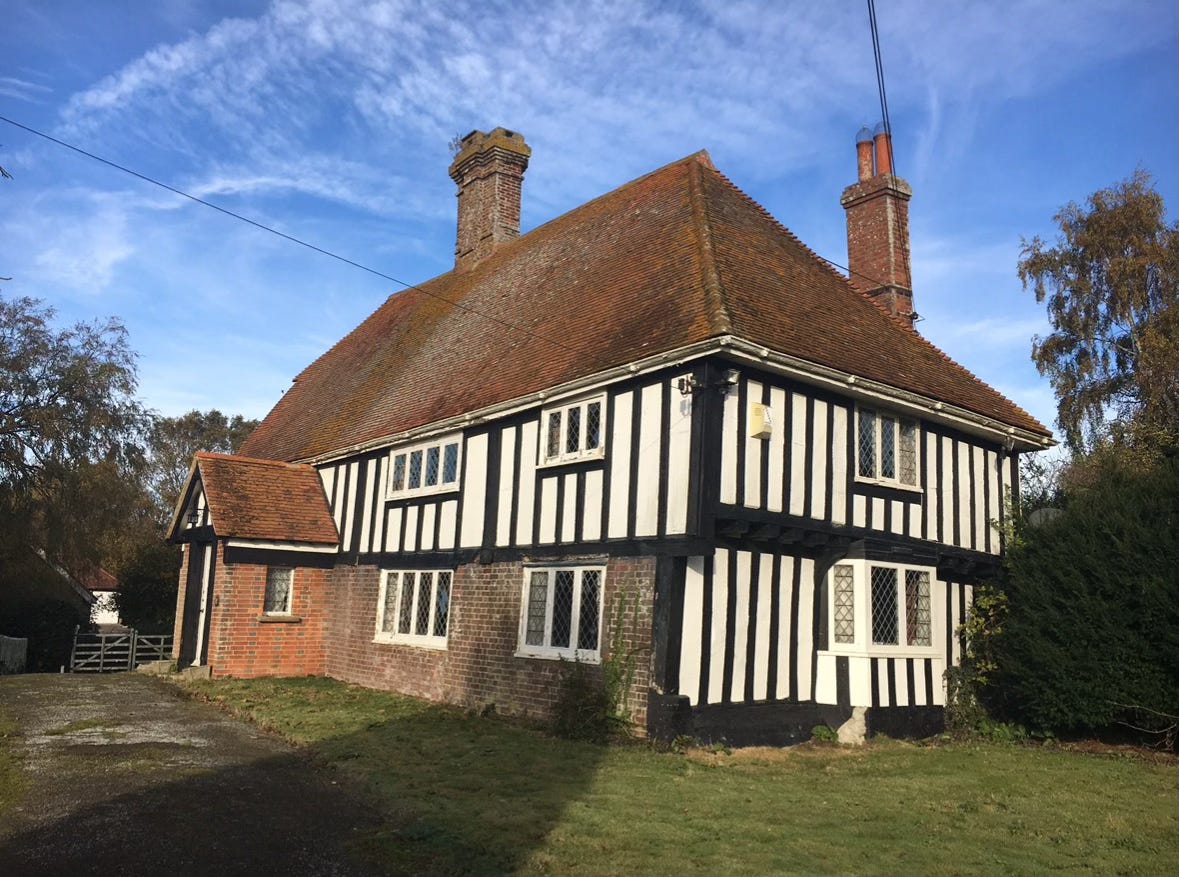
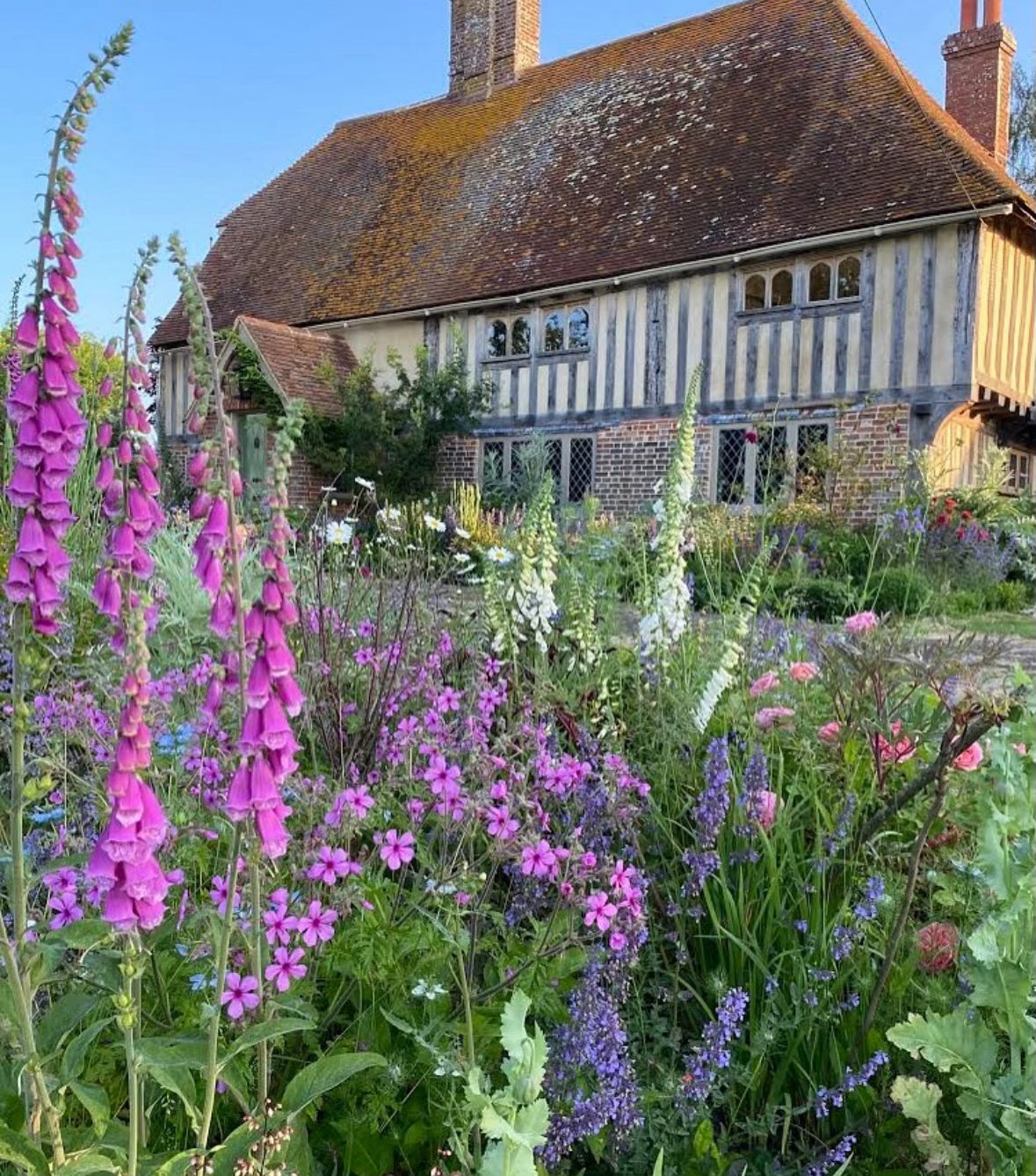
All those people over the centuries have had different needs and different ideas about how the house should work for them. Over six hundred years, things have changed: floors have been added, staircases built and demolished, bays have burned down, wallpapers have been layered like mille feuille pastry, and a lot of stuff has simply fallen to bits.
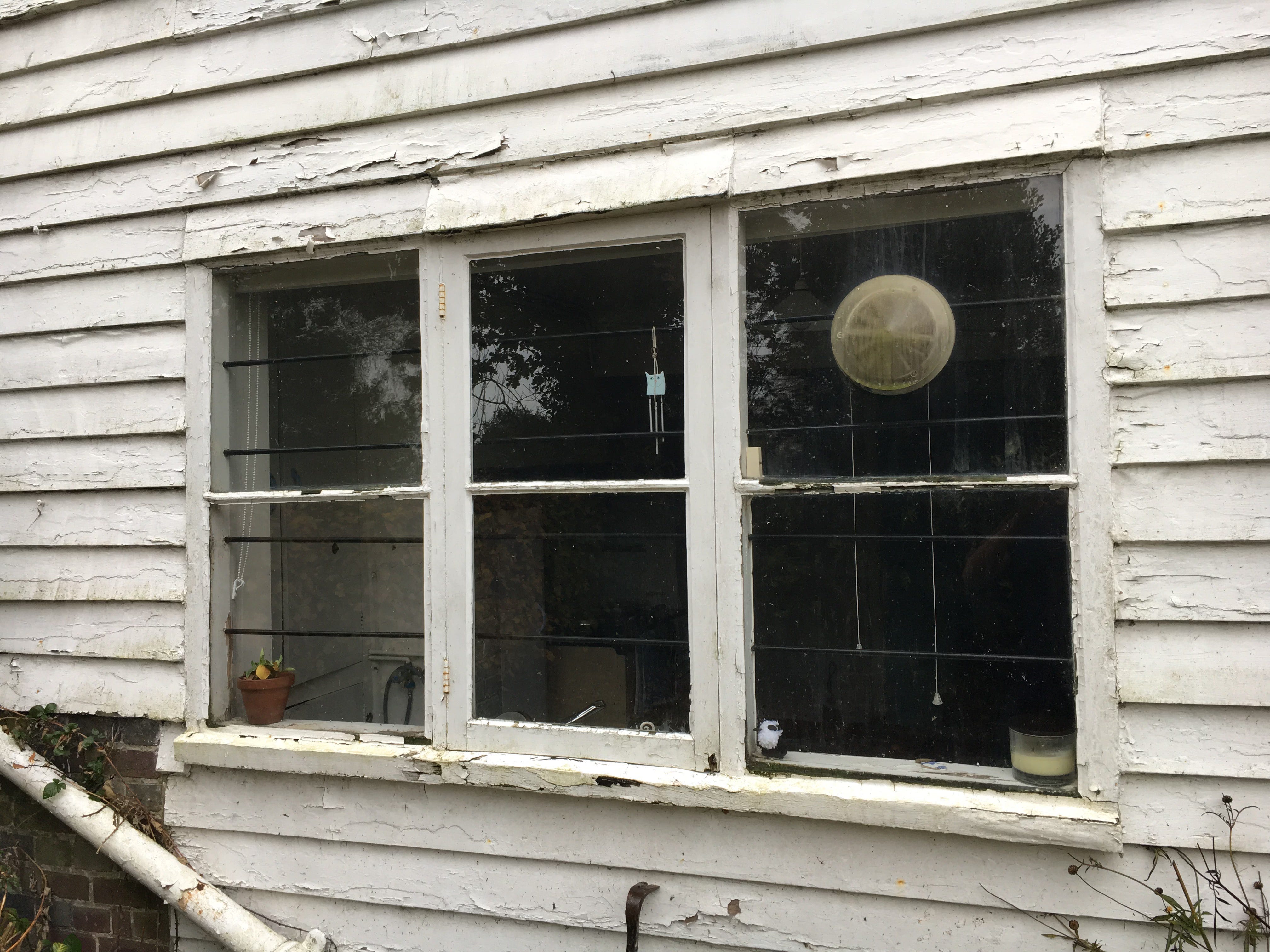
And, of course, tastes have changed. So, depending on the look you’re after when you take on an old house, you may need to put a lot of stuff back in and whip a lot of stuff out. That’s what this Substack’s about, finding period features, and trying to recapture the soul of a house.
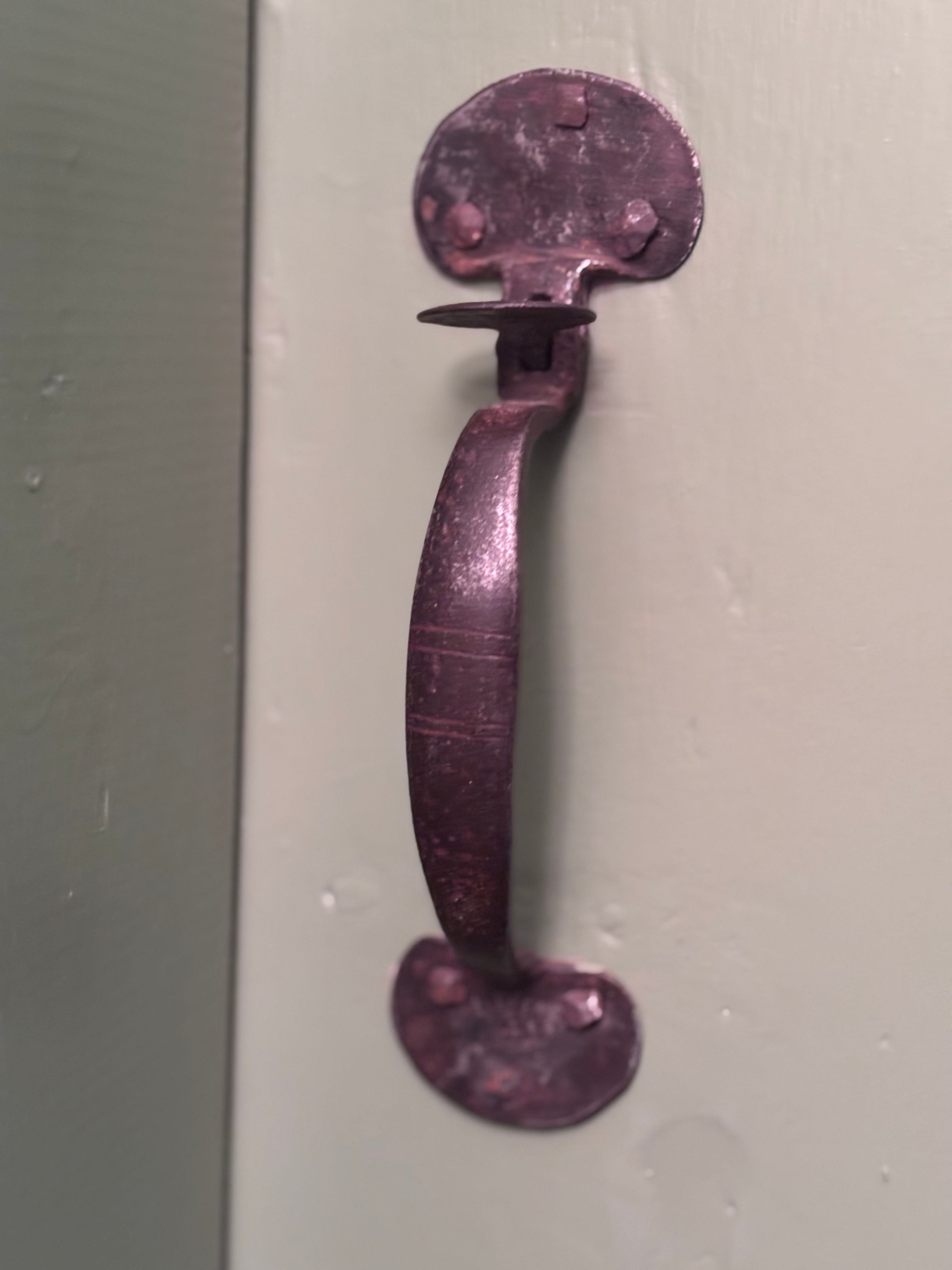
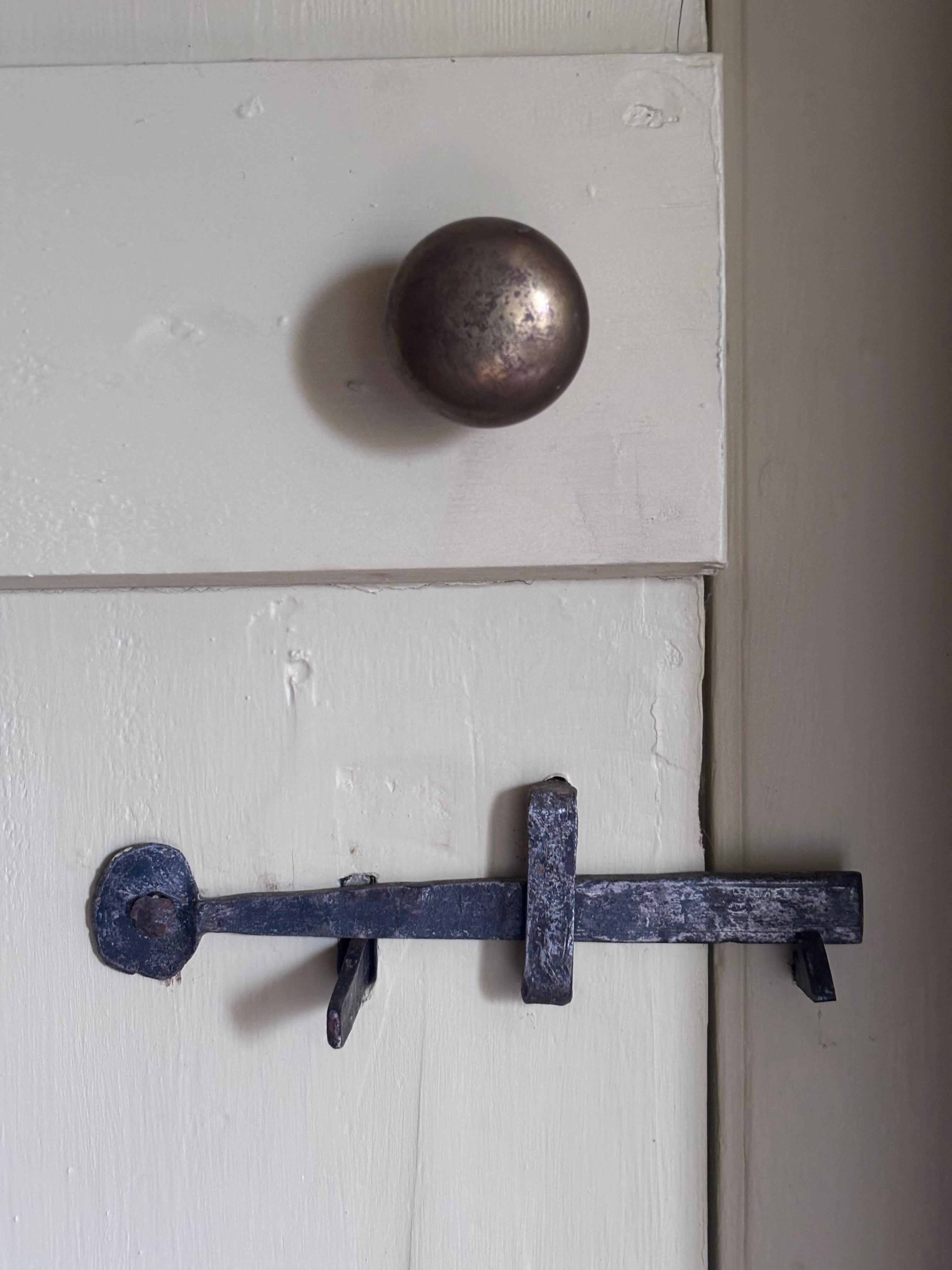
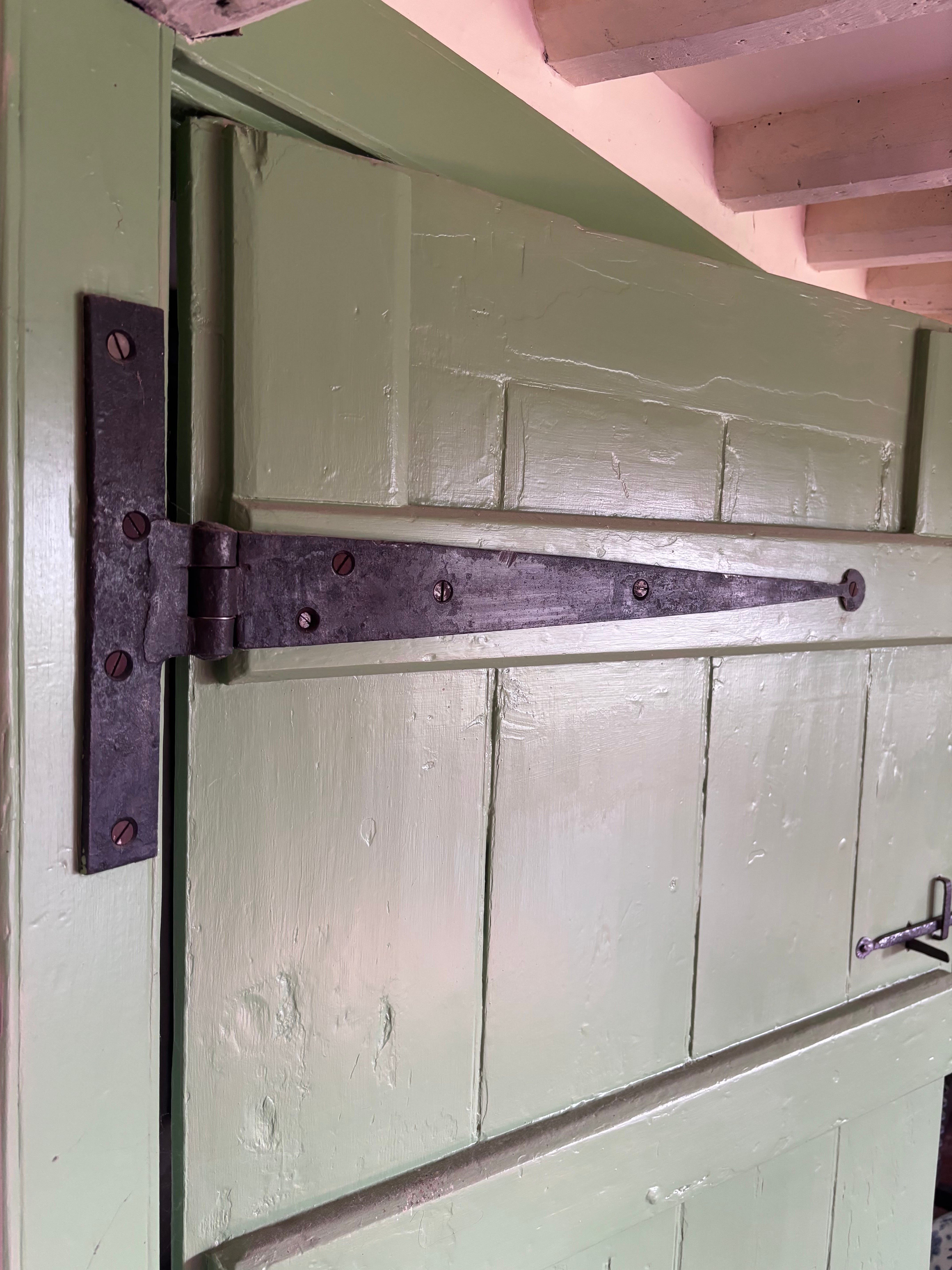
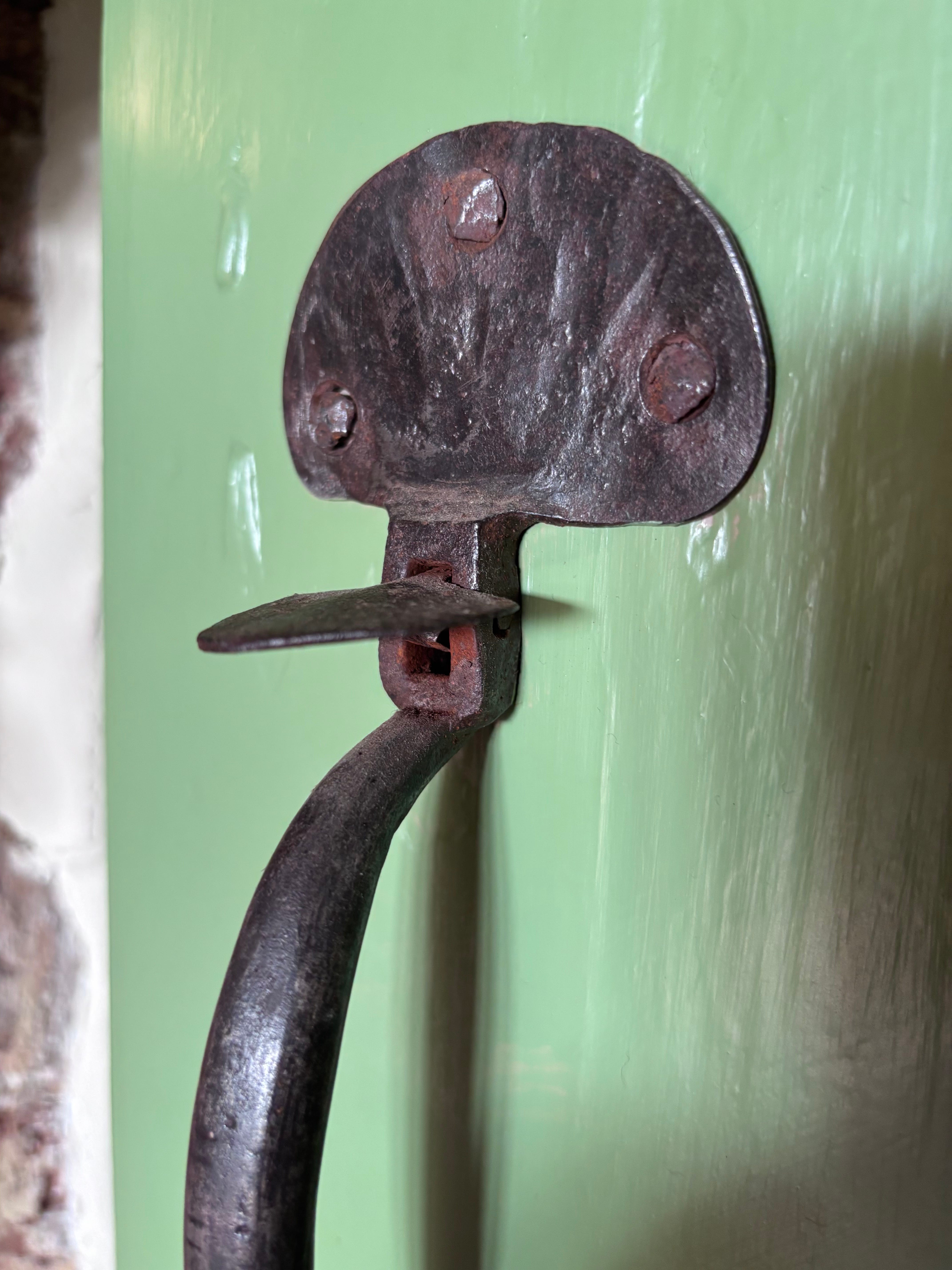
When, like romantic fools, we bought our house, we saw all the possibilities and none of the problems. We might not have proceeded if we’d known what we would go through, but that’s for another article. Once the house was in a condition where the floors didn’t flex like a trampoline and we were reasonably sure it wouldn’t fall down, we started slowly to decorate. To be honest, nearly ten years later, we’re still decorating. One of the biggest events in the life of this centuries old house was not the plague, the Napoleonic Wars or the Blitz, it was the 1960s… I should cut our forebears some slack, as the old ledge and brace doors might well have just disintegrated or ceased to fit architraves made taller for larger people. But for whatever reason, many of the old doors had gone, being replaced with ledge and brace doors hung on mock Tudor hinges and weird almost art nouveau handles. I hated them. They actually offended me! So, I gradually set about replacing the doors, which meant scouring salvage yards and searching Ebay for blacksmith made Suffolk latches and T-hinges with ‘penny’ ends. Yes, you can get reproduction blacksmith made door furniture, but it never looks right to me, principally because you can’t reproduce patina. I admit I’m a bit obsessive, but I prefer to make something look like it has always been there.
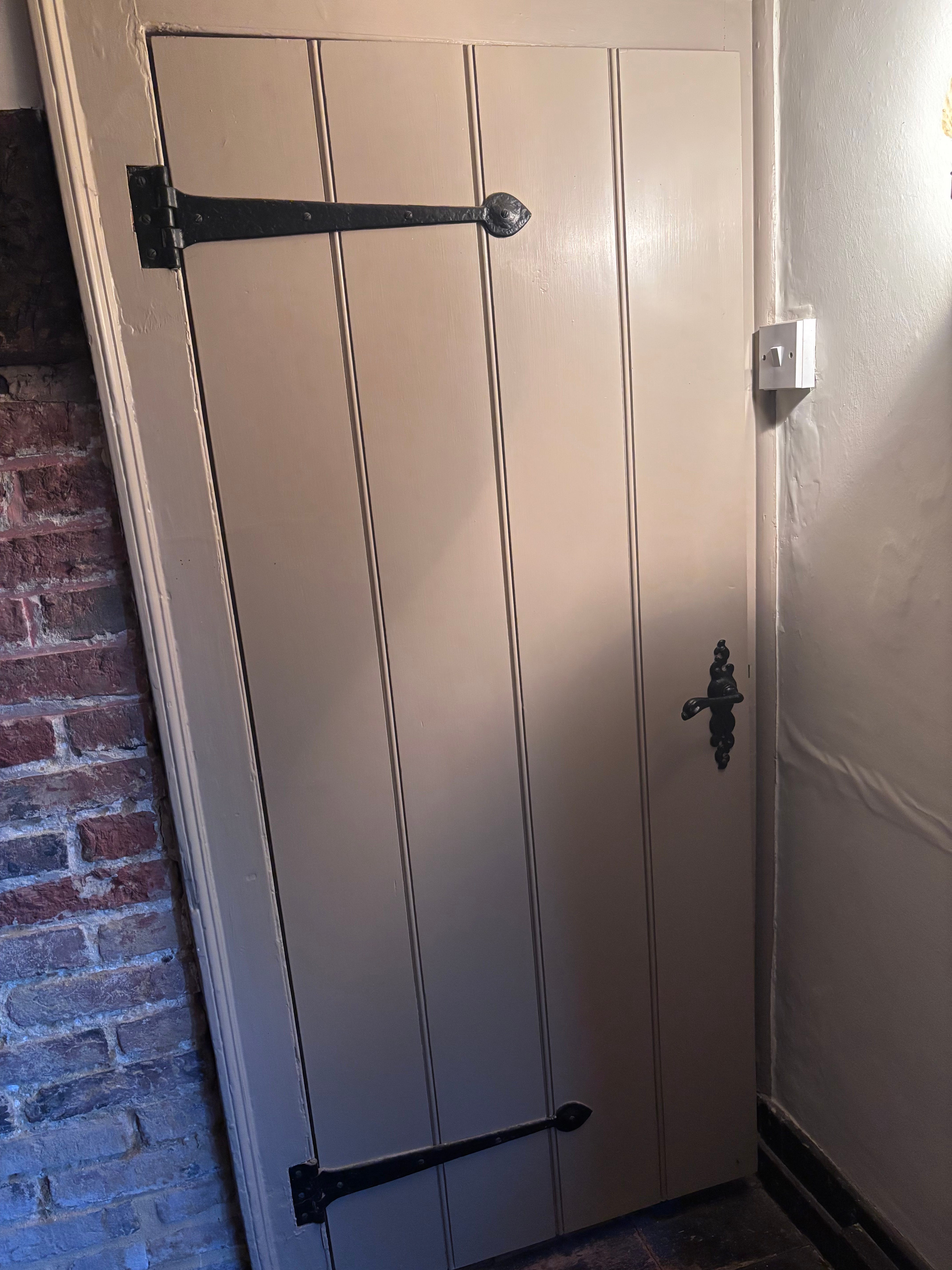
Light switches were another bug-bear. Mrs T often chides me for wanting to live in a museum, but I wanted to try to get light switches that looked in-keeping with original features, and weren’t ‘faux old’ brass covered in thick lacquer that chipped off. I found the best brass dolly switches were made in Australia, by a company called Clipsal. They looked exactly like early 20th C switches but were ‘three core’, ie had a third earth wire and thus met modern building standards. You can pay a lot for reclaimed porcelain and brass dolly switches, but the old ones don’t really pass muster. If I see the Clipsal switches on Ebay, I buy them, but alas, they don’t seem to occur very frequently…
